Next Reign: Kingdom Unit Tier List
Who holds the slime, who holds the Blade Queen, and who is still a guess after launch week.
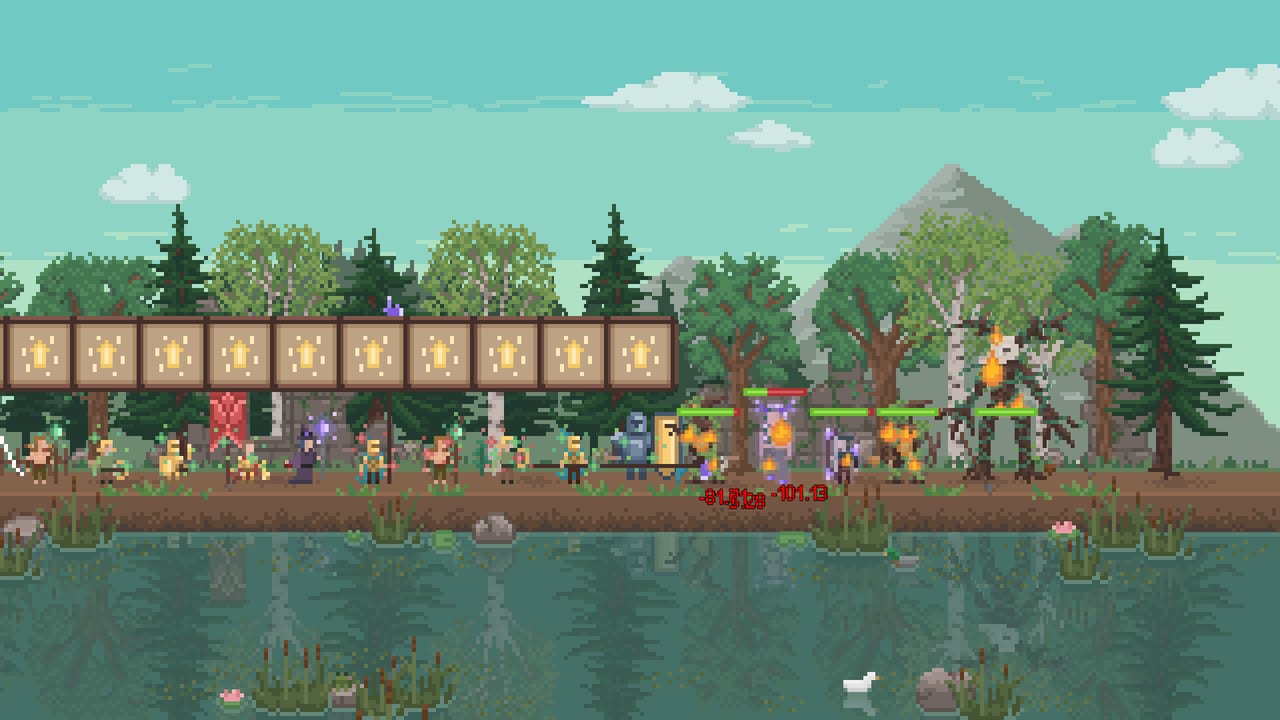
Combat in Next Reign: Kingdom is a formation puzzle sitting on top of an economy. You do not unlock an army by clicking a barracks tab on minute one. You raise a line of defense, train peasants, and then the game lets you start combat quests — Humble Beginnings against a water slime, then goblins, then nastier packs such as fiery treants. Above those side fights sits the Blade Queen, the main combat quest that launch-week players treat as the first real test of a mixed army. This page ranks the five unit types the store page advertises. The letters are informed by demo and launch-week VODs (Dex, Idle cub, Haikrazon, Nookrium). They will move. They are not hidden HP tables.
If you need the click-by-click quest flow, use the combat guide. If you need the buildings that feed the army, use the building priority list. Prestige nodes that cheapen units or auto-start combat quests live on prestige upgrades.
Launch-week board
| Unit | Tier | Why it sits there |
|---|---|---|
| Shield tanks (shield knight) | S | The front that lets mages and archers live. Fiery treants and the Blade Queen punish a peasant blob. |
| Spearmen | A | First real line after peasants. Monster remains buy their hit points, damage, and armor. |
| Mages | A | The damage you actually want once something in front will hold. Fragile without a tank. |
| Archers | B | Likely the fifth type. Range is real, but public hours are thinner than the spearman line. |
| Peasants | C | Mandatory opener. First purchase is free. They melt once goblins stop being polite. |
Workers — farmers, lumberjacks, miners — are not on this board. They do not enter the battlefield. They live or die by houses and matching production.
S — Shield tanks
Call them shield knights, shield tanks, or “the big one with the board.” Launch-week combat shots put that silhouette on the river line while spearmen and a mage work behind it. That is the job: occupy the tiles enemies want to chew so the backline is not the frontline.
S is not “highest damage.” S is “the fight does not instantly become a wipe.” Water slimes do not require a tank. Goblins start to. Fiery treants and the Blade Queen do. If your formation is a row of peasants because that is what you can afford, you are still in the tutorial army. Spend the iron bars and the remains on a tank as soon as the unit appears, then stop feeding the peasant button except as cheap first-strike filler.
Formation note: tanks go on the contact tiles. Do not park a shield knight in the back row “to keep it safe.” A safe tank is an unemployed tank. Put spearmen beside or just behind it so the line has width, not a single hero.
A — Spearmen
Spearmen are the workhorse of the middle hours. You will see their upgrade row — hit points, damage, armor — light up from monster remains long before you have a mage kit. One tooltip from demo play is worth repeating because it is on-screen, not guessed: spearman base hit points go up by 0.5, and another 0.5 per tier level, with matching damage and armor rows. That is why they outgrow peasants even when both cost army slots. Remains spent here keep paying.
They are A instead of S because they still lose the late contact fights if you never add a shield. A spearman line without a tank is a thicker peasant line. A spearman line with a tank is the default launch-week clear for everything before the Queen. Train them as soon as the unit exists; do not wait for a “perfect” iron surplus. Combat quests are how you mint glory and remains, and those currencies do not drop from wheat.
A — Mages
Mages are why the store page talks about synergies. They are not a first-hour unit. They are the reason you bother to hold a front. Launch-week footage and the combat screenshot language all put a mage behind a line, not in it. If you send mages in as the contact row, you are paying mage cost for peasant duty.
They share A with spearmen for a different reason: damage versus uptime. Spearmen exist earlier and scale on remains you already earn. Mages exist to end fights that a spear wall would grind. On the Blade Queen, you want both. On the water slime, you want neither — peasants are enough, and the bars should stay in the smelter.
If a later patch makes mage starting stats absurd, this letter can jump to S. It has not earned that on week-one evidence. Protect them first.
B — Archers
Steam’s “five distinct unit types” and the combat framing strongly imply archers as the fifth silhouette. This wiki ranks them B with a flag: fewer public hours than peasants and spearmen. Range is the obvious pitch. Peasants already steal a sliver of that pitch — they have slightly higher range than a “regular” melee unit and can first-strike — so archers have to be better at being archers than peasants are at being cheap pokers.
Until full-release VODs show archer-heavy clears of the Queen, treat them as a backline you add after a tank and a mage are paid for, not as the plan you build the economy around. If they turn out to be the actual fifth type with strong tier upgrades, they can slide to A without rewriting the rest of the board. If they are a side-grade, they stay B. Do not invent a hidden multiplier to force them into S.
C — Peasants
Peasants are the best unit in the game for about fifteen minutes and a bad unit for the rest of the reign. Tooltip facts from demo play: slightly higher range than regular units, first strike against most targets, three hit points, one damage, zero armor. The first purchase is free. After that they cost iron bars. That free body is how Humble Beginnings exists. You should train it, open the formation panel, park it on a contact tile, and beat the slime.
Then you should stop treating the peasant button as your army builder. Goblins laugh at three hit points. A peasant blob in front of fiery treants is a remains donation. Keep a couple if you need cheap first-strike or you are waiting on spearman unlock, then move the iron into spearmen and the first tank. Prestige nodes that reduce combat unit cost make peasants less embarrassing, not good. Cost is not the reason they are C. Survivability is.
Formation advice that actually shows up in play
The combat screen lets you place who walks onto which tiles per quest, or save a preset at the top of that menu and reuse it. If you start a quest with an empty formation, the game will pick up to five units from whatever you have. That auto-pick is how people lose a mage they did not mean to send. Always look at the tiles before you hit the quest.
A launch-week default that does not require hidden math:
- Contact row: shield tank if you have one, otherwise spearmen, otherwise the peasant you still have to use.
- Second row: spearmen for width. Do not stack every body on one tile and call it a formation.
- Back row: mages, then archers. Peasants do not belong here once you have a real backline — they cannot shoot over a tank the way a mage can earn their keep.
- Pause with space if a wave is about to wrap the line. The game is not a reflex test, but it is also not an idle auto-battler until prestige auto-combat exists.
- Do not open the next combat quest while the line of defense is still a construction site. Walls are not S on the building page, but they are the door that makes this page matter.
Quest pacing follows the same honesty. Humble Beginnings is a peasant fight. Goblin quests are a spearman fight. Treants and the Blade Queen are a tank-plus-mage fight. If a quest is bouncing you, the answer is rarely “buy two more peasants.” It is usually “the front is wrong” or “the buildings that print bars are red.” Glory and remains should be spent on the unit you are actually fielding, which is why spearman remain upgrades feel so good in the middle hours and peasant remain upgrades would be a trap even if they existed.
The meta is a week old. If your save has a shield knight melting content that this page still calls a two-unit problem, believe your save, then check whether a prestige combat node is doing the extra work.
Frequently Asked Questions
Quick answers for new rulers and returning prestige runners.
Are peasants ever worth keeping after the slime?
As cheap first-strike filler, briefly. After that, iron belongs on spearmen and a tank — see the building priority list if bars are the real blocker.
When do I replace the peasant line?
As soon as spearmen exist and goblins show up. Combat-cost prestige nodes on prestige upgrades make the swap cheaper, not optional.
How should I form for the Blade Queen?
Tank on contact, spearmen for width, mage behind. Walls have to exist first; that order is on buildings.
Are archers confirmed as the fifth type?
Likely, not sworn. This page ranks them B until more full-release hours land. Recheck here before you overtake prestige upgrades for army nodes.
Do prestige combat picks change these letters?
They change uptime, not roles. Auto combat and cheaper units on prestige upgrades still want the same front-to-back order as this list.
Where do farmer and miner ranks live?
They are workers, not army. Housing and matching production sit on the building priority list, not on this board.