Next Reign: Kingdom Combat and Formations
Five unit types, a named main quest, and the resources fights actually pay.
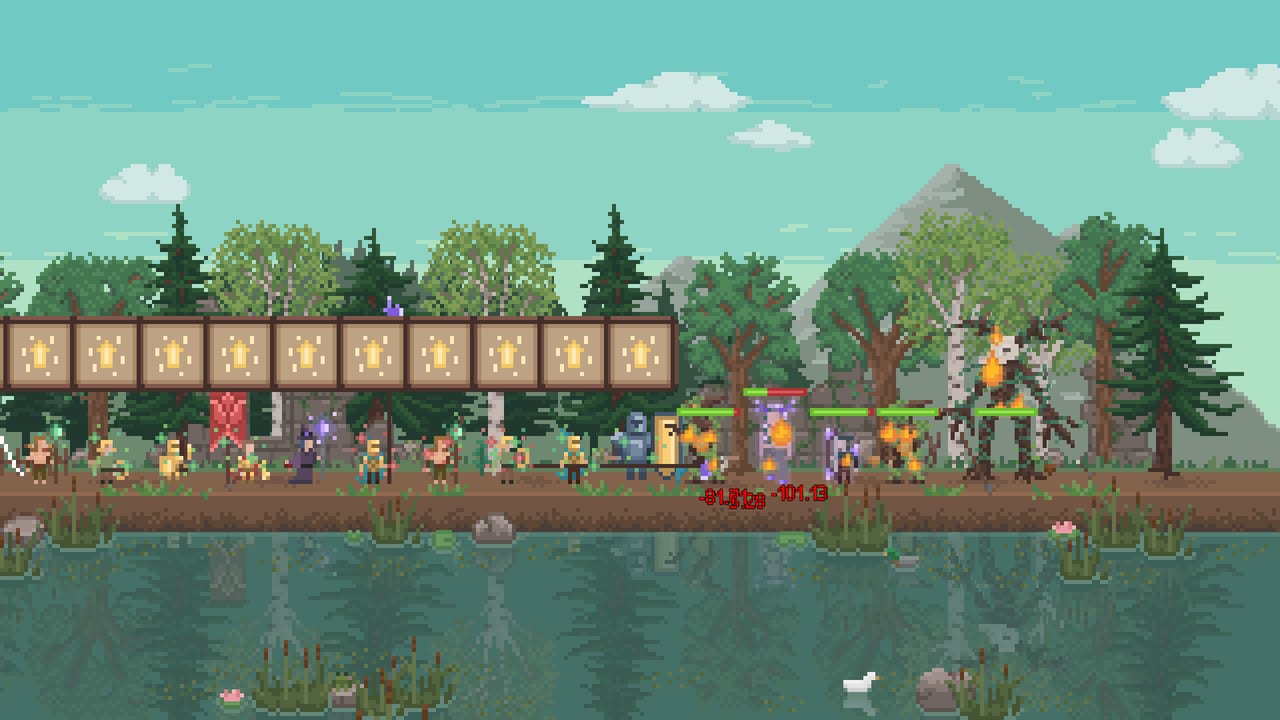
Combat in Next Reign: Kingdom is formation-based, not a click-fest on individual villagers. You unlock five unit types with tiers, park them in a line, and send that line on quests. The village still has to exist. Peasants with no wheat and no houses are not an army. Read this after the first-hour settlement checklist has farmers running, and keep the phase-by-phase campaign walkthrough nearby so Blade Queen sits on the right chapter instead of the opening field.
Tiny Tulip Games treats combat as one of the dozen interconnected systems, not as a separate action game. Glory and monster remains drop into the same left resource list as wheat. Those piles are prestige points, potion inputs, and the reason you should not ignore the army tab until the castle is done.
When to start fighting
Start when three things are true: wheat is automated, you can replace losses without emptying the house cap, and you have at least a peasant core plus a front-line idea. The combat tab will light up earlier than that. Ignore the glow the same way you ignore a one-point crown.
A first fight is a production test. If wood goes red because you bought units instead of a warehouse, you started early. If the quest completes and glory appears on the left, you started on time. Water can also show up through combat-adjacent systems; treat it as another resource type, not as a reason to pause the smelter.
Do not wait for the castle. The castle is a late skyline. Goblins, slimes, and fiery treants are available while the town is still a strip of houses and a market. Early quests exist to teach formations and to pay the first 100 glory and the first 100 remains.
The five unit types
Launch materials promise five distinct unit types with tiers and synergies. Footage and the HUD show:
- Peasants: cheap bodies, the first thing you can throw at a quest, poor as a real front.
- Spearmen: the dedicated line infantry, the first unit that looks like a plan.
- Shield knight / tank: the hold-the-front piece. Put this where hits land.
- Mage in purple: backline damage and the fantasy half of the pixel art. Keep them off the first tile.
- A ranged line that plays like archers in demo and launch footage: the fifth type, used behind the tank.
Ranks for those roles live on the unit rankings. This page is about how they stand, not about chasing a single best unit. Tiers matter. Tools and in-reign upgrades that affect workers have combat cousins: damage, HP, and armor nodes on the prestige tree, plus cheaper unit costs later. Spearman-line special abilities that support the front are a late prestige unlock, not a first-fight toy.
If only one type is affordable, buy peasants for the quest gate, then immediately start a tank or spearman. A quest that allows “any unit” will still punish a row of unarmored farmers.
Formations
The launch UI puts unique formations and strategies next to the unit they affect. You are not flipping between a lore tab and a loadout tab to remember why the mage is in slot four. Empty space on the formation board fills as you progress. An interactive tutorial walks the first layout. Click the advisor if the board still looks like a blank strip.
A working default:
- Tank or shield knight on the point of contact.
- Spearmen beside or just behind that tank.
- Peasants as filler only if the quest requires bodies.
- Mage and the ranged line in the back.
Then stop touching it. Formations persist between prestiges, which is one of the better quality-of-life facts in the v0.3-era UI that shipped into 1.0. The next reign does not make you rebuild the line unless you want to. Clear-formation exists if you really do want a blank board; a pre-launch hotfix had to fix that button, which tells you people actually use it.
Bookmarks help here too. Hover the unit or quest button, F to pin it to the book, G if that quest is the one that should eat attention. The camera and HUD anatomy page is the keybind reference. Combat does not add extra hotkeys beyond the same F/G pattern.
Blade Queen and the rest of the quest board
The main combat quest is named Blade Queen. It sits above the smaller jobs. It is a campaign flag, not a secret raid. You will not finish it with five peasants and a prayer. You will finish it with a formation, unit tiers, and enough of a town that replacements exist.
Treat Blade Queen as a gear check for the mid-late army. Smaller quests are the farm: they pay glory, remains, and sometimes the confidence that the tank is in the right slot. Auto-start combat quests is a prestige node. Buy it after you trust the formation. Auto-starting a quest you always lose is a remain sink, not automation.
There is a final quest in the full game, separate from the demo’s end-of-demo challenge. This page will not invent a name for it. When the campaign says you are there, the phase-by-phase campaign walkthrough is the timeline and this page is still the army. If a quest tooltip asks for a prestige total, believe it. Combat and the crown are linked on purpose.
Enemies you should expect to see: goblins, slimes, and fiery treants. The treants are the screenshot-friendly fire problem. They are why a backline mage feels good on camera. They are not a reason to skip the tank.
What combat pays the rest of the kingdom
Glory and monster remains are the obvious outputs. They sit on the left list with green and red arrows like everything else. The first 100 of each is a prestige point. Later 100,000s exist and you will not see them on the first fight. Water can join the same economy. Magic crystals and potions lean on the mage side of the army and on late production; do not reverse that and expect combat to replace the smelter.
Combat also spends. Units cost resources. A red wood or wheat arrow after a recruitment spree is the village telling you the army is now the sink. Pause hiring, rebuild the wheat-to-tools production chains, then come back. Prestige nodes that add 100% combat quest rewards, 25% cooldown reduction, and extra monster rewards are the “this tab is now a farm” upgrades. Take them after auto trading and farmer collection, not before. The prestige upgrade rankings mark where those combat nodes sit relative to economy.
Walls belong to the building guide, but they are the civilian half of combat. A walled town with no army is a postcard. An army with no town is a one-quest wonder. Build walls when the walkthrough’s first-fight chapter is on, not as a substitute for spearmen.
Practical fight loop
- Confirm wheat and wood are green.
- Open the combat tab. Place tank, spearmen, backline.
- Run a small quest. Watch glory and remains appear.
- Repair the economy if arrows flip red.
- Upgrade unit tiers with the same tool mindset you use on workers.
- Step up toward Blade Queen only when replacements are cheap.
- After a prestige, keep the formation and spend new points on auto combat only if the line already wins.
That loop is the whole combat game. Next Reign: Kingdom will not become an RTS because you stared at the formation board. It will become a better incremental because fights mint resource types the field cannot grow. Use the unit rankings when a fifth body type unlocks and you do not know who stands in front. Use this page when the question is “should I be fighting yet?” The answer is yes, once the village can afford to lose.
Frequently Asked Questions
Quick answers for new rulers and returning prestige runners.
When is the first fight actually due?
After wheat and wood run without you. The phase-by-phase campaign walkthrough places that fight after the first market, not after the first house.
What are the five unit types?
Peasants, spearmen, a shield knight tank, a purple mage, and a ranged line. Rank them on the unit rankings once you can afford more than peasants.
Do I need Blade Queen before I prestige?
No. Grab glory and remains for the 100-milestones, then reset at six points. How to hand the crown explains why new combat resources are points.
Why did my army vanish after a reset?
Units reset with the reign. The formation layout stays. Rebuild the bodies with the next village's wheat, same as any other hire on the settlement buildings in build order timeline.
Combat is draining wheat. What now?
Stop recruiting, fix wheat-to-tools production chains, then return. An army is a sink until farmer nodes and warehouses catch up.